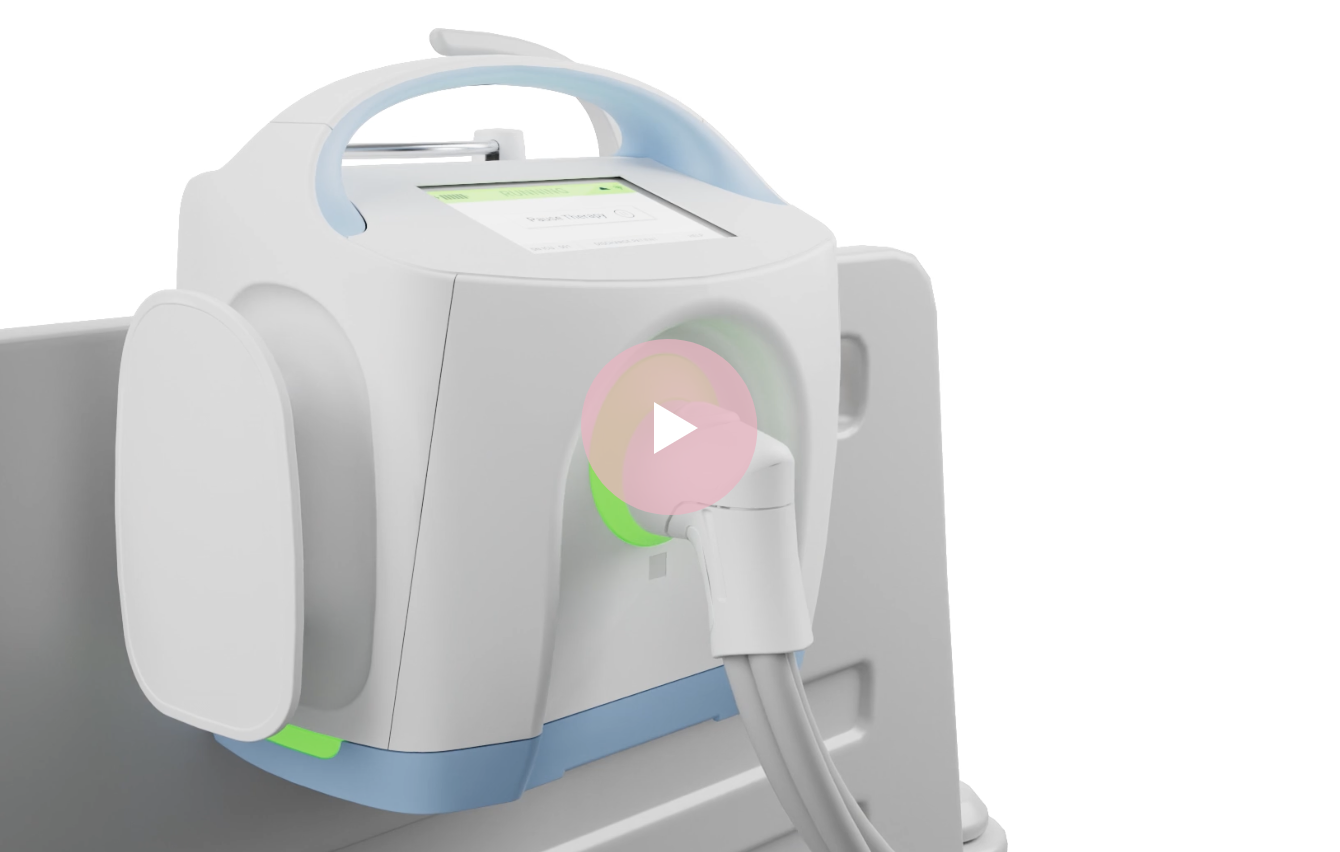
Delivering unparalleled therapy that adapts to individual patient needs in real time to promote early mobility with the potential to reduce adverse events and overall length of stay.
Delivering unparalleled therapy that adapts to individual patient needs in real time to promote early mobility with the potential to reduce adverse events and overall length of stay.
Delivering unparalleled therapy that adapts to individual patient needs in real time to promote early mobility with the potential to reduce adverse events and overall length of stay.
High-risk patients with limited mobility may experience vascular compression. Even with periodic patient repositioning, the current standard of care, this compression can lead to tissue ischemia and subsequent reperfusion injury.
Mobility is key
Mobility has been clinically proven to actively prevent decline in physical function during hospitalization, and contributes to length of stay reduction, even in complex cases.1 Even with periodic patient repositioning, the current standard of care, this compression can lead to tissue ischemia and subsequent reperfusion injury.
And Every Movement Matters
Patient mobility is defined as a patient getting out of bed and includes activities such as sitting, toileting, standing, and/or ambulating, and has been shown to:
DECREASE INCIDENCE OF DELIRIUM2
REDUCE THE NUMBER OF VENTILATOR DAYS2
ACHIEVE A HIGHER FUNCTIONAL STATUS AT HOSPITAL DISCHARGE2